Headphones in a shared home need to suit more than music. You may use them for calls, quiet work, television or listening while another person occupies the same room. Comfort, controls and the way they connect can matter as much as noise reduction. Begin by naming the main use and the devices involved. Then separate what you want to hear from what the microphone sends to other people. Those are different parts of the experience, and a strong claim about listening noise cancellation does not answer every call-quality question.
Choose the fit for your sessions
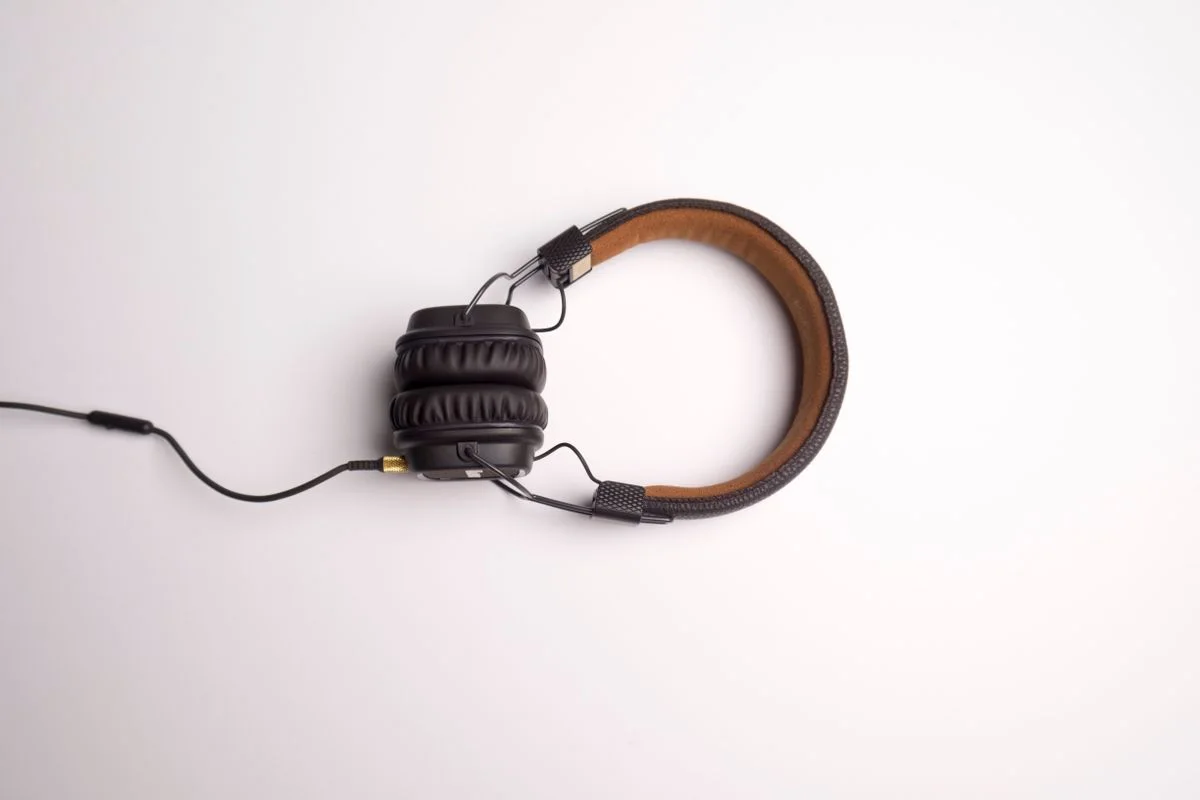
Consider whether the headphones rest around the ears, on them or in them, and compare that with the length of your usual session. Glasses, hair and head shape can affect the feel of a particular design. If possible, assess comfort within the seller's stated trial or return conditions. Look for replaceable cushions and clear cleaning guidance. A premium finish is less useful than a fit you can tolerate through the actual work or listening session.
Separate listening and microphone features
Read how the manufacturer describes noise cancellation, awareness modes and call microphones. Bose's product information treats listening noise reduction and voice pickup as separate features. Do not assume a quieter experience for you means background sounds disappear for the other people on a call. Check microphone placement and any application controls. If calls are the main task, a headset with a practical speaking arrangement may deserve comparison with music-focused headphones, even when the latter have more listening features.
Verify connection across your devices
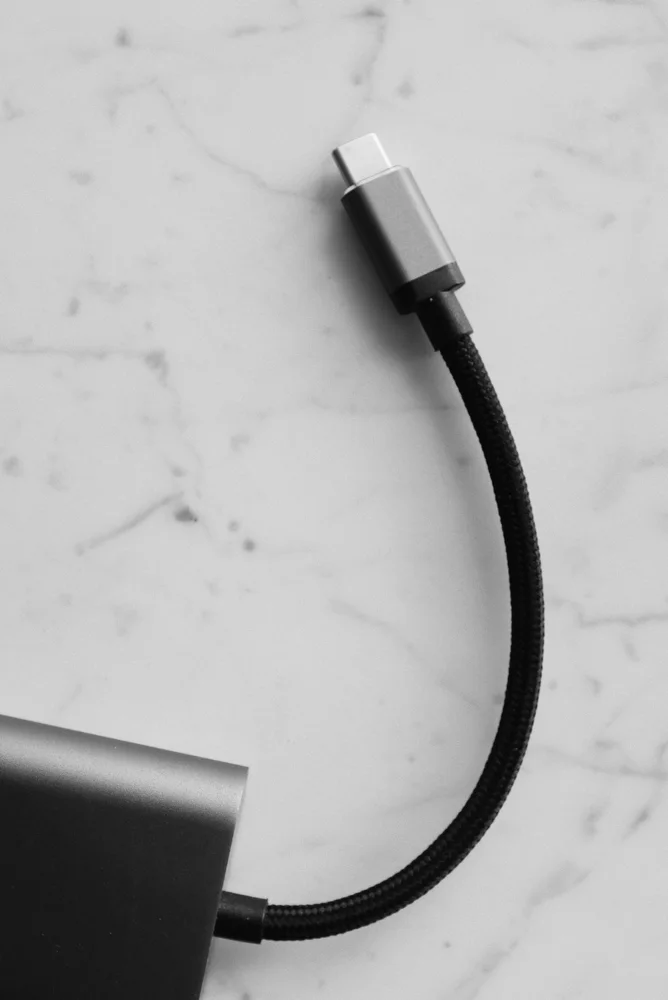
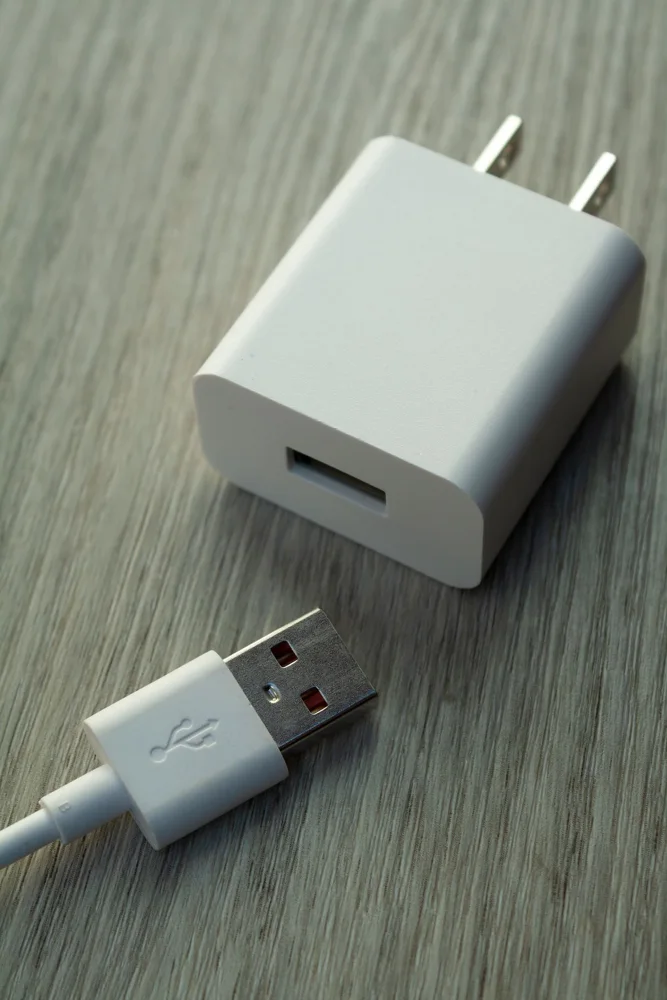
Check Bluetooth, cable and receiver support for each intended device. Multi-device features vary, so read how switching works rather than assuming simultaneous connection means every source can play at once. A television or work computer may have different supported methods from a phone. Include any cable or transmitter needed in the cost and confirm compatibility before purchasing it separately. Check which features remain available when wired or when the battery is depleted, using the actual model's instructions.
Consider household controls and upkeep
Choose controls that you can identify without repeatedly removing the headphones. A clear mute indication can be valuable during shared-space calls. Check the charging arrangement and where the headphones will rest between sessions. Folded dimensions matter if they are stored in a drawer or bag, while a desk hook needs suitable installation and a shape that does not distort the headband. Follow the maker's volume and use guidance, and avoid turning ordinary headphones into an assumed substitute for specialized protective equipment.
THE USEFUL TAKEAWAY
Choose shared-home headphones around fit, connection and the main task. Read listening and microphone features separately, then check practical controls and replacement cushions. A model that works comfortably with your everyday devices can offer better value than a more expensive design whose extra modes do little for your household's routine.
Further information
Manufacturer and official references for the details discussed. Check instructions for the exact product you are considering.