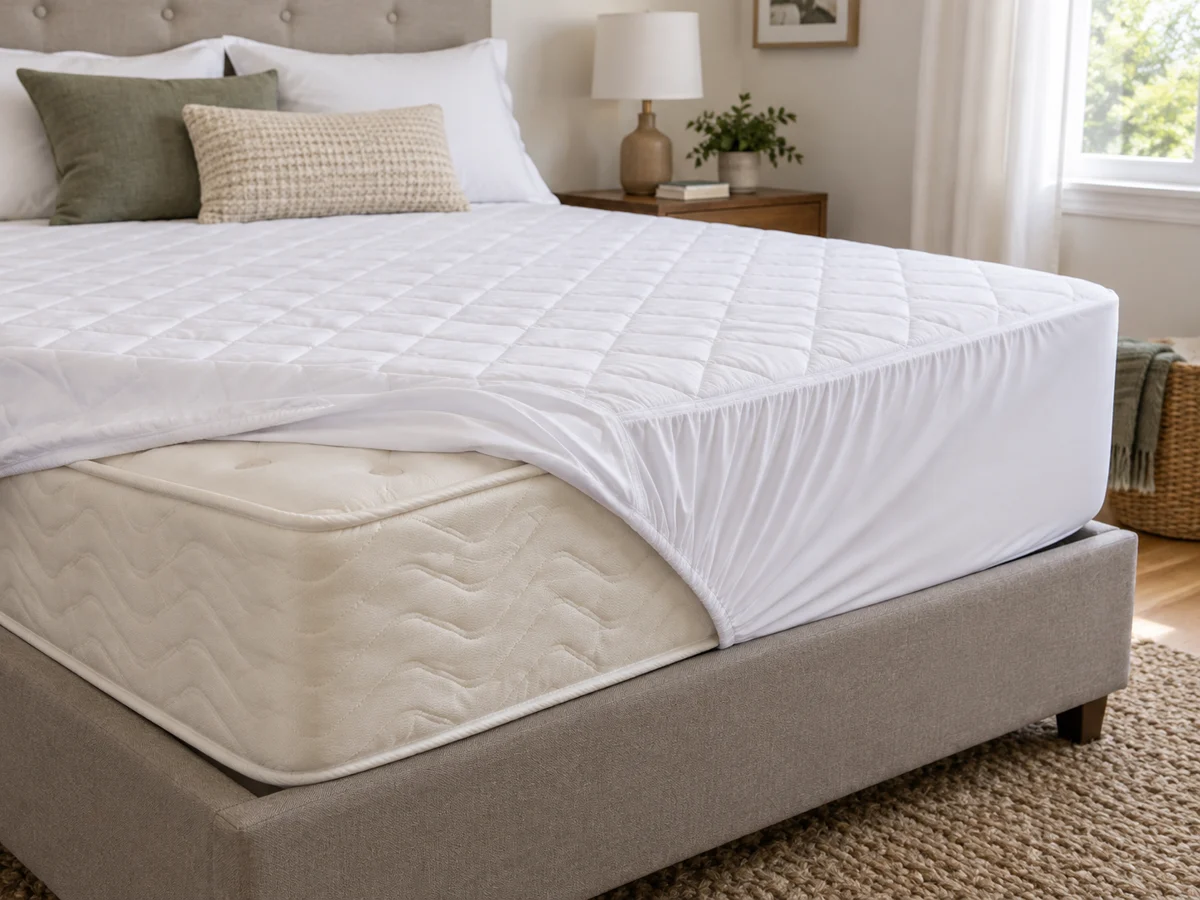
A mattress protector should fit the complete sleeping surface without pulling loose at the corners or preventing the sheet from fitting properly. Size names help narrow the search, but depth, attachment style, and the product's stated function need separate checking. A simple textile layer and a waterproof design are different purchases. Begin with the mattress and any topper you use, then decide what protection you need and how you will wash and dry the protector when it needs attention.
Measure every layer it must cover
Record mattress length and width, then measure the combined depth of the layers the protector will enclose. A topper can change the required fit substantially. Compare that measurement with the maker's stated maximum depth or pocket range. Corner straps and fitted skirts work differently, so read the intended attachment method. IKEA's protector guides show model-specific fit limits rather than one depth shared by every product. Do not stretch an unsuitable protector onto the mattress simply because the label uses the expected bed-size name.
Choose the intended function
Read whether the product is described as a basic protective textile layer, waterproof, or another documented design. Check which surface the claim covers and any instructions that affect its use. Avoid extending that description into unsupported allergy, cooling, or health promises. If waterproofing is the reason for purchase, the exact product information and care conditions matter more than the visual thickness. A padded protector may also alter the feel beneath the sheet, so consider that separately from the protection function.
Check the sheet over the protector
The protector adds another layer that the fitted sheet must accommodate. Compare the full arrangement with the sheet's pocket guidance and check that corners can be fitted as intended. Attachment straps may sit differently from a complete skirt. If an adjustable bed is involved, consult the relevant product guidance rather than assuming a standard fit remains suitable through every position. The useful result is a compatible arrangement across mattress, protector, and sheet, not three individually correct size names that work poorly together.
Read washing and drying before buying
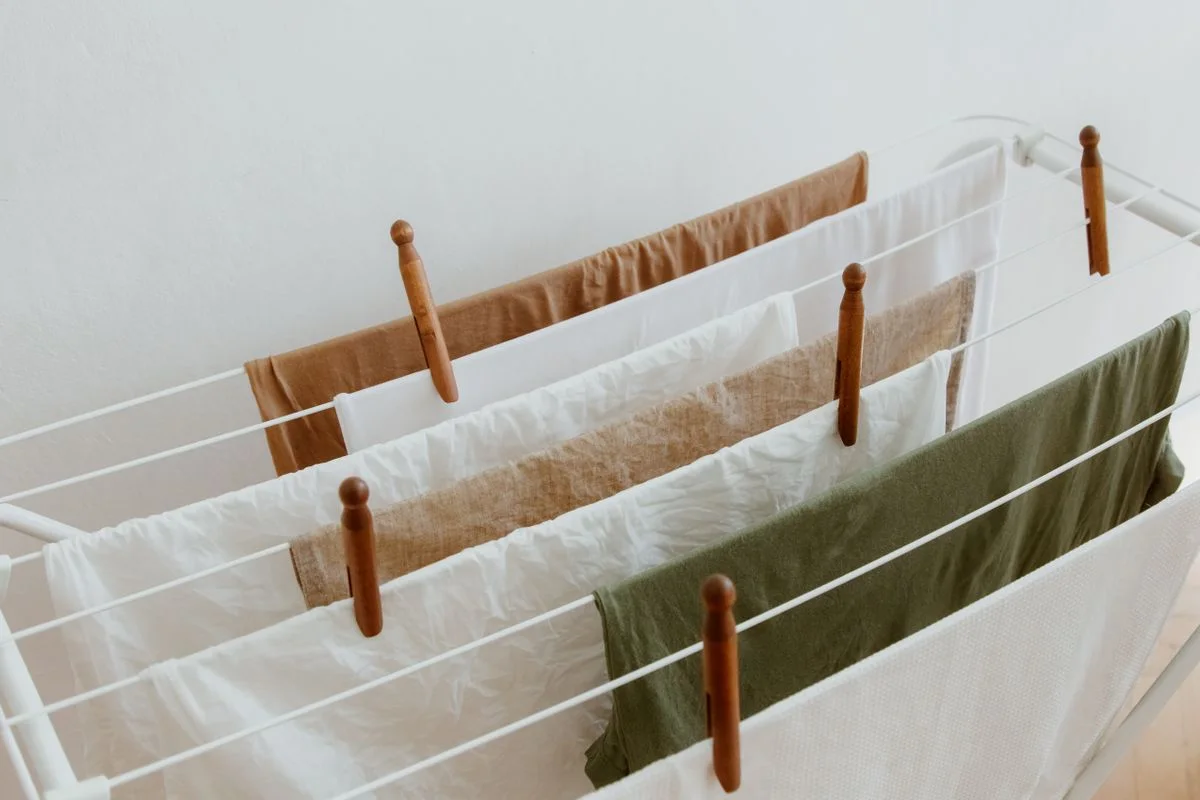
The permitted care routine can depend on the protector's layers and construction. Check washing temperature, drying method, and any restrictions on products or heat. A large protector can need more equipment capacity or drying space than expected. If a spare would make the routine easier, compare individual pricing and storage rather than automatically purchasing a bundle. Keep the model and care information available so that later washing does not depend on guessing from another piece of bedding's instructions.
THE USEFUL TAKEAWAY
Choose a mattress protector by complete fitted depth and a clearly stated function. Check the attachment system and the sheet that goes over it, then compare washing and drying requirements. Accurate fit and manageable care are more useful than broad claims that do not describe the exact product.
Further information
Manufacturer and official references for the details discussed. Check instructions for the exact product you are considering.