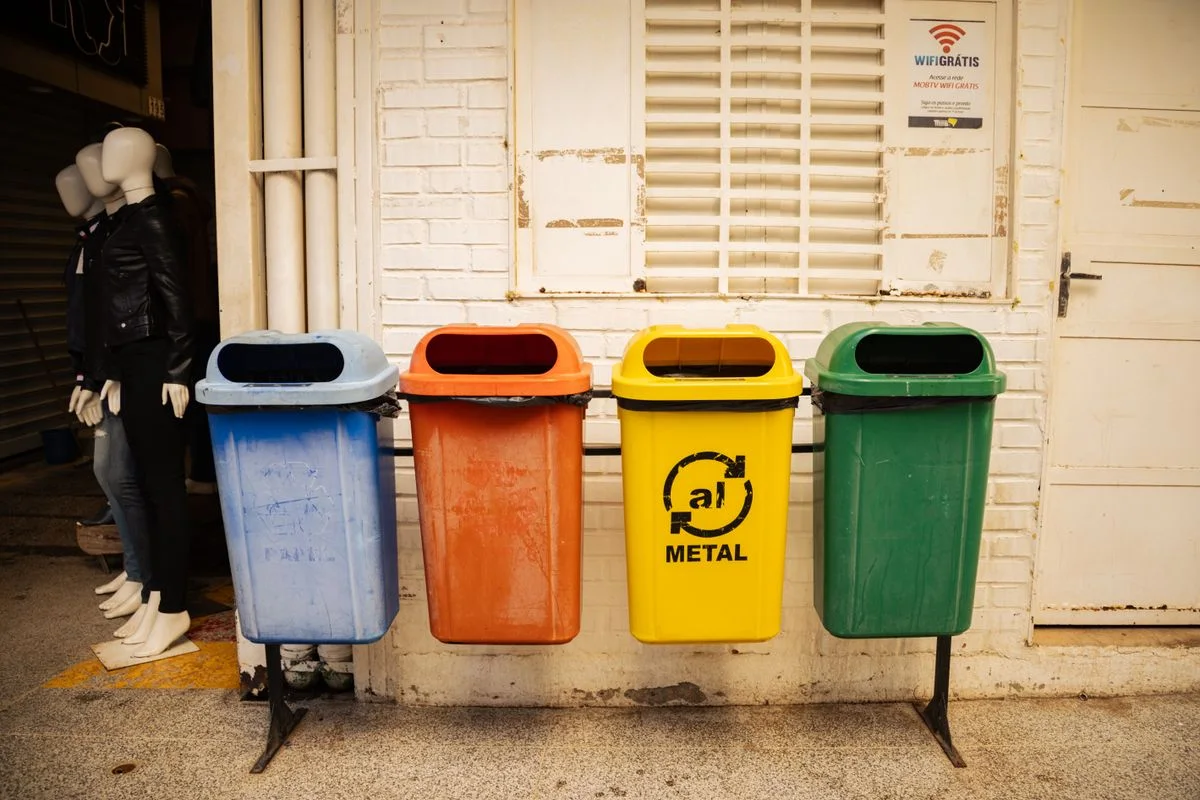
Recycling bins work when the household can sort materials correctly without stopping to interpret a complicated storage system. The first specification to check is your local collection guidance, since accepted materials and preparation requirements vary. Then choose containers around the amount of each stream you generate and the route to the collection point. Matching bins can look orderly, but equal-sized compartments may not fit your actual waste. A flexible arrangement is often more useful than a single large unit chosen before you understand how recycling operates where you live.
Start with local sorting instructions
Read the current guidance from the collection authority or provider. Note which materials can share a bin, which must remain separate and whether bags or liners are permitted. Do not treat a recycling symbol on packaging as proof that it belongs in your local collection. Keep a short household reminder where sorting happens. EPA's household recycling material provides a useful starting point, but the local program's rules should decide the final categories and preparation routine.
Size compartments by the stream
Observe a normal week of packaging before ordering a large sorter. You may produce far more paper or containers than another material. Separate small bins can let you adjust capacity later, while a combined unit may fit neatly in a restricted space. Check whether each compartment can be removed independently. If one stream fills first, you should be able to empty it without lifting the whole unit or disturbing the other sorted materials.
Make the transfer route easy
Measure the space where the bins live and the doors or steps between that location and the collection point. Handles, removable buckets and clear openings matter during this transfer. A tall narrow container may fit a kitchen gap but be awkward to carry when full. Check whether the lid remains easy to open under a counter. If bins sit inside a cupboard, make sure access is convenient enough that household members will use the correct compartment each time.
Choose labels and surfaces for upkeep
Use simple material labels based on your actual program, and keep them legible after cleaning. Color can help, but it should reinforce the words rather than replace them. Inspect whether the bin's shape allows you to reach the bottom and dry it after cleaning as directed. Avoid unnecessary liners or specialized refill bags unless they are suitable for the program and needed for the container. Reassess capacity after a few weeks rather than buying many matching accessories at once.
THE USEFUL TAKEAWAY
A useful recycling setup follows local rules and your household's actual output. Choose manageable compartments, visible labels and an easy transfer route. The aim is correct sorting with little friction, so a flexible mix of ordinary bins can work better than equal-sized compartments chosen mainly for a coordinated appearance.
Further information
Manufacturer and official references for the details discussed. Check instructions for the exact product you are considering.