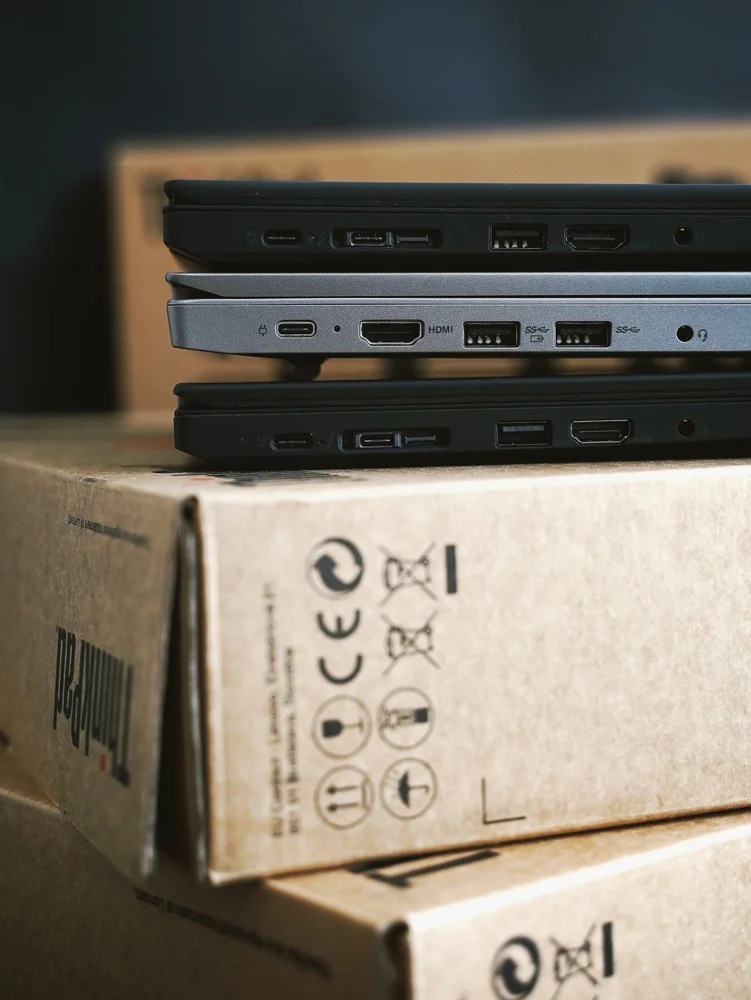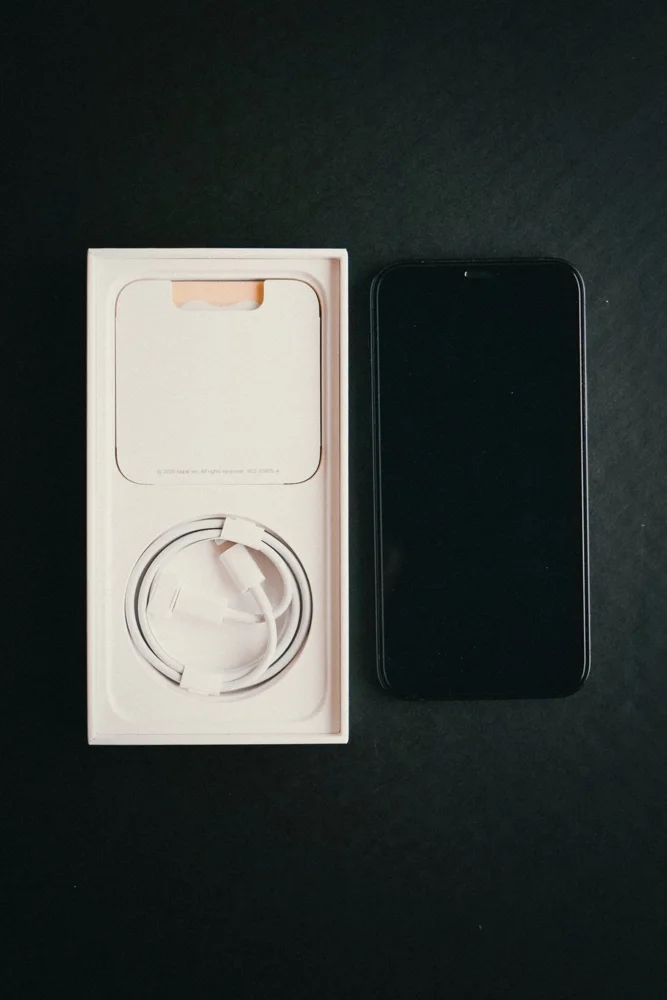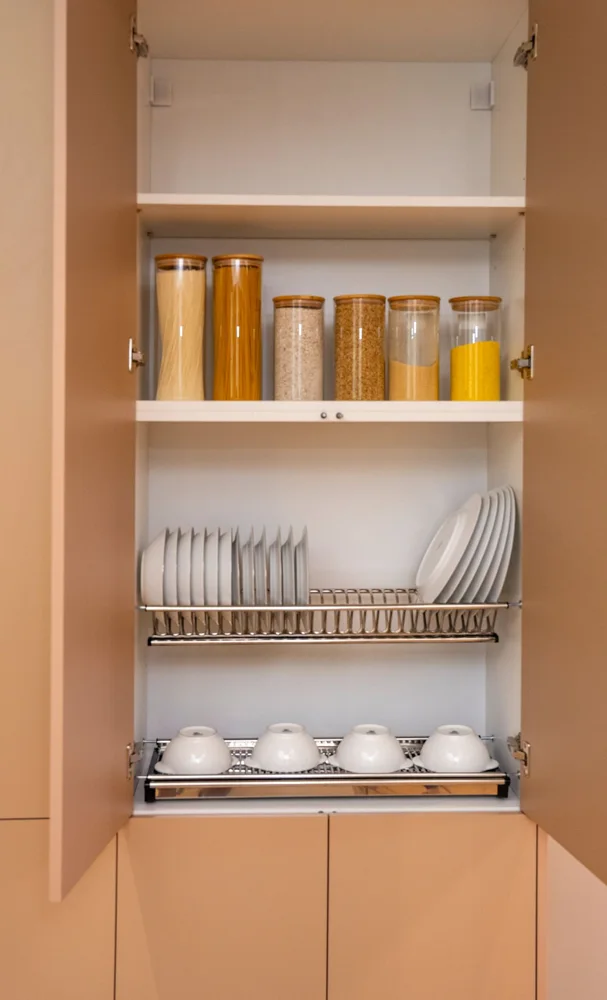
Duplicate purchases often happen because useful things are difficult to find, not because a household deliberately wants several of them. Chargers disappear into bags, cleaning supplies move between rooms, and spare parts sit in unlabelled boxes. Before buying an organizer or another replacement, look at where duplication occurs. A small inventory and a clear home for frequently used items can reduce repeat spending. The aim is not to eliminate every spare, but to distinguish deliberate backup from purchases caused by uncertainty.
Start with one recurring category
Choose the items most often bought again unnecessarily, such as batteries, cables, stationery, or cleaning supplies. Gather them from the places where they are stored and identify what is usable. Do not combine unknown products or discard things without considering their labels and proper disposal requirements. Record model or compatibility details for accessories that look alike. A household-wide inventory can become burdensome; solving one troublesome category first makes it easier to see whether a simple system will be maintained.
Give shared items a recognizable home
Store frequently used things near their task when that fits their instructions and household needs. Label the location rather than relying on someone remembering a rearrangement. Small pouches or boxes already owned may be enough. If an item travels between rooms, agree where it returns afterwards. A spare kept for a specific location is different from a duplicate scattered without purpose. Buying matching storage containers before understanding the contents can add another layer of objects without solving the original finding problem.
Use one shopping list with a purchase status
Add the quantity needed and mark an item when it has been bought or ordered. If several people shop, use a shared list they can access at the relevant time. A note such as one compatible charging cable for the desk is clearer than cables. Check the existing supply before adding consumables. For online orders, keep an ordered status until delivery so another person does not buy the same item while the parcel is in transit. Remove completed entries promptly to keep the list trustworthy.
Keep backups intentional
A spare can be worthwhile when loss, breakage, or frequent use would create a meaningful interruption. Decide its location and purpose. Avoid counting an incompatible charger or worn tool as a usable backup merely because it is still present. Review the category occasionally and update compatibility notes when equipment changes. If someone repeatedly bypasses the storage place, make the arrangement easier to use rather than adding more rules. The system should save effort at the moment an item is needed, not create a separate household administration project.
THE USEFUL TAKEAWAY
Reduce duplicates by making existing supplies easy to identify, find, and mark as ordered. Start with one troublesome category and use storage you already own where possible. Keep spares for a defined purpose; the goal is fewer uncertain purchases, not an elaborate inventory that nobody wants to maintain.