A throw blanket can be a useful extra layer, a cover for a chair, or something carried between rooms. Those roles need different sizes and care routines. The right choice depends on how you use it across the year, rather than a seasonal color alone. Start with the person or furniture it should cover and the place where it will be kept. A manageable blanket that is comfortable to handle and easy to wash can earn more use than a large decorative one.
Measure the coverage you want
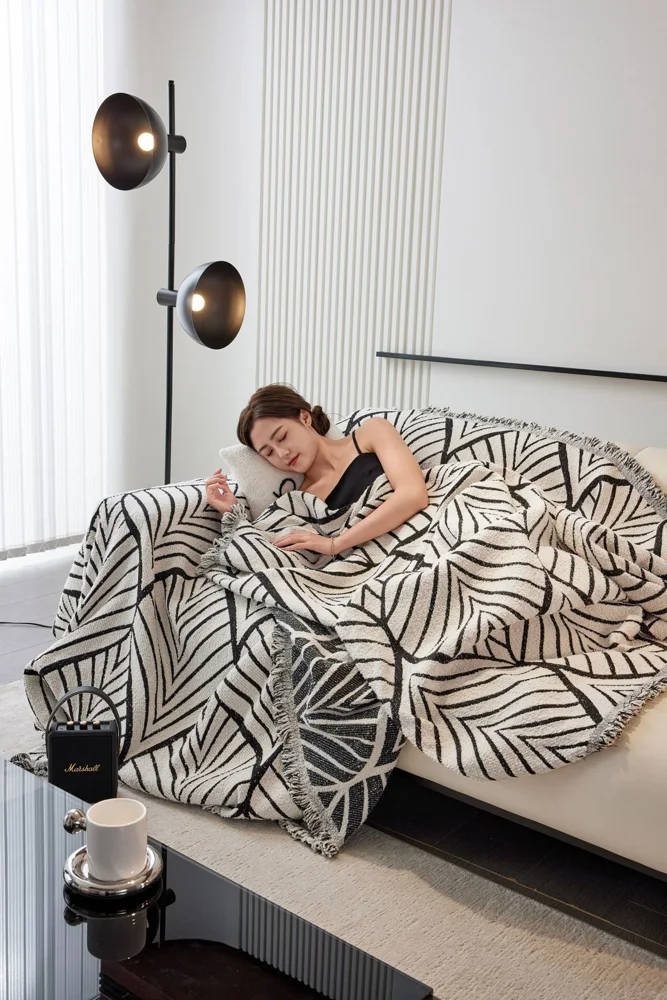
If the throw is for a lap, compare its length and width with your usual seated position. If it is intended to cover part of a sofa, measure that area rather than relying on the product's lifestyle photograph. Fringes and decorative borders may contribute to the outside dimensions without providing the same coverage as the main fabric. A larger throw can suit sharing but occupy more storage and laundry space. Choose the smallest size that comfortably serves the actual job rather than automatically buying a bed-sized version.
Compare construction with the season
Fiber content, weave, thickness, and finish all contribute to how a blanket feels. Product descriptions can help you distinguish a loose lightweight layer from a dense one, but they do not guarantee personal comfort. Think about whether you want one adaptable throw or a separate seasonal layer you will store for part of the year. Avoid treating weight alone as a universal warmth ranking. If texture matters, inspect a sample or a shop display rather than relying entirely on a close-up photograph.
Read the whole care label
Check washing, drying, and any professional-cleaning instructions before purchase. GINETEX explains the role of textile care labels, but the label on the exact throw remains the practical authority. A large blanket can be machine washable yet exceed the suitable capacity of the equipment available to you. Decorative trim may also require attention. If the throw will be used around food or pets, compare the stated care routine with how often you are realistically prepared to clean it.
Plan a reachable resting place
A basket, shelf, or chair arm can keep the throw convenient, but the folded size should suit the spot. A heavy blanket can be awkward to move between rooms, while a very large one may trail onto the floor when used on a small chair. Check for loose trim if that would conflict with the household's needs, and follow product guidance. Buying several coordinating throws may be unnecessary if one useful layer already stays within reach where it is needed.
THE USEFUL TAKEAWAY
Choose a throw by coverage, feel, and a care routine that suits its everyday role. Seasonal usefulness comes from construction and your preferences, not color alone. A blanket that fits the chair, laundry setup, and storage spot is more likely to be used than a larger decorative purchase.
Further information
Manufacturer and official references for the details discussed. Check instructions for the exact product you are considering.