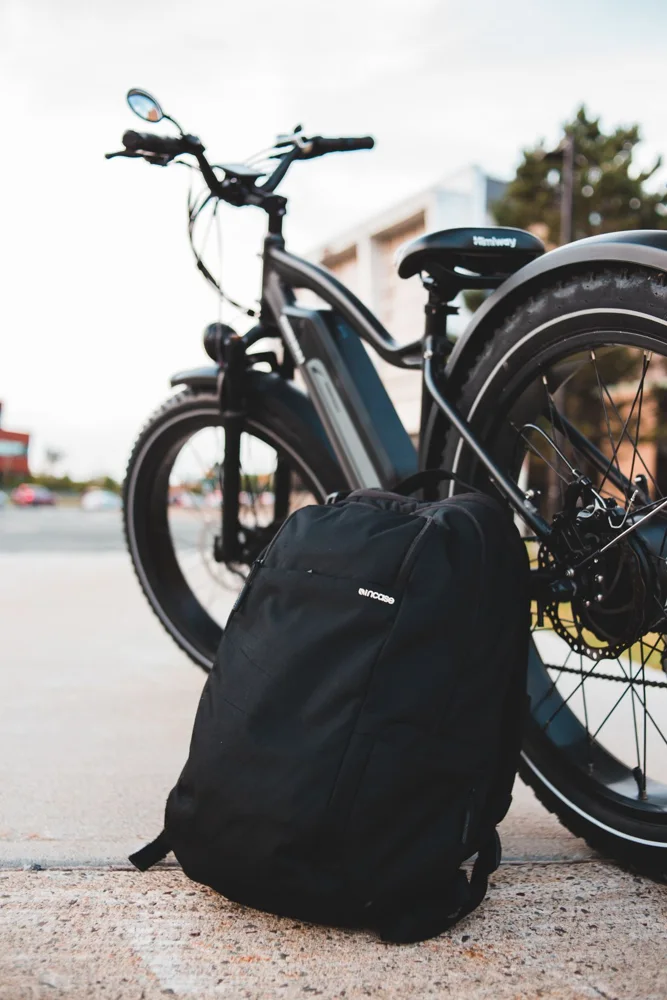
A mixed commute can include walking, trains, cycling or a short car journey on the same day. A backpack needs to handle the transitions as well as carry the laptop. Begin with the objects you take every ordinary workday, including lunch, a water bottle and any clothing. Then think about the points where the bag is lifted, opened or held in a crowded space. A suitable shape and accessible compartments can offer more practical value than a large capacity figure or features intended for an entirely different kind of journey.
Pack the actual daily load
Lay out the laptop, charger, documents, lunch and other items, then compare their dimensions with the bag's usable compartments. Check laptop fit by the device's physical measurements, including any sleeve or case. A claimed screen-size fit is not enough for every model. Look at how a lunch container and bottle sit relative to electronics. Separate pockets are useful only if they remain accessible when the main compartment is filled with the normal load.
Check carrying and hand-held moments
Try the bag with a representative load where the seller permits it. Consider shoulder strap adjustment, the shape against your back and how it feels when carried by the top handle. Crowded public transport may require holding the bag rather than wearing it. A bag that is comfortable on a long walk can still have an awkward handle. Choose straps and controls you can adjust without complex rethreading, especially if another household member may use the same bag.
Read weather and visibility claims
Check the manufacturer's stated water-resistance conditions and any care instructions. A resistant fabric does not automatically make seams, zips and every pocket waterproof. Decide how you will protect electronics in the conditions your commute actually brings. If cycling is involved, choose equipment and visibility measures appropriate to that journey rather than relying on a decorative reflective strip as a complete solution. An optional rain cover adds storage and fit questions that should be checked with the exact bag.
Choose organization that remains flexible
A few well placed pockets can be easier to use than many small compartments. Identify where keys, travel cards and a phone will go, and check access when the bag is worn or held. Look for a practical place for wet clothing or an umbrella if needed, keeping it separate from sensitive items. Read cleaning guidance before choosing a pale or textured material. Start with the daily load rather than buying extra organizers to make an unsuitable interior work.
THE USEFUL TAKEAWAY
Choose a commute backpack around the items and transitions that occur every day. Practical fit, comfortable carrying and clear weather limits matter more than nominal capacity. A simple interior with the right access can reduce daily friction without requiring a second purchase of organizers to compensate for the bag's layout.
Further information
Manufacturer and official references for the details discussed. Check instructions for the exact product you are considering.