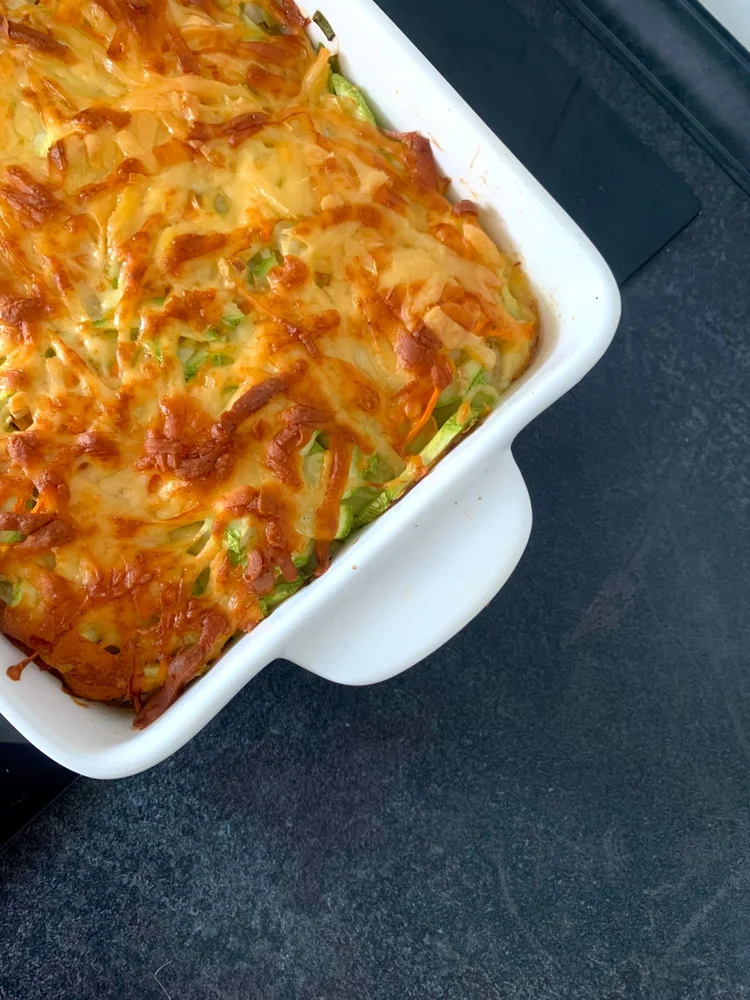
A baking dish that also serves at the table can reduce the number of dishes used for a meal. That convenience depends on its size, weight, handles, and care instructions, rather than appearance alone. A beautiful deep dish may be difficult to portion from, while a broad shallow one may not suit the recipes you planned. Choose around a familiar meal and the surfaces where the hot dish will rest, including the route between oven and table.
Match the recipe's shape
Volume does not make two baking dishes interchangeable. A deeper layer and a wider shallow layer can cook differently, so compare the dimensions specified in recipes you use. Measure the inside length, width, and depth when that information is available. Check whether rounded corners or thick walls noticeably reduce the floor area. If you regularly halve a recipe, a smaller dish matching its intended depth may be more useful than spreading the mixture through a large one.
Inspect handles with gloves in mind
Small decorative tabs can be awkward to grip, especially when they are close to a hot oven wall. Look for an opening or edge you can hold securely with your usual gloves. The overall width, including handles, must fit the rack and oven doorway. Weight matters once the dish contains a full meal. Imagine putting it down on a suitable trivet at the table, then reaching for a serving spoon without forcing guests to move nearby plates.
Read the material-specific limitations
Glass and ceramic bakeware have product-specific restrictions on heating and temperature changes. Pyrex, for example, warns against sudden temperature changes and lists unsuitable uses for its glassware. Follow the instructions for the exact dish rather than inferring permissions from its material or brand name. A dish that is oven safe is not automatically intended for a stovetop or broiler. Check lid instructions separately, since a storage lid may have a different role from the baking vessel.
Look beyond the dinner table
If the same dish will hold leftovers, measure the fridge shelf with the lid fitted. If you will transfer leftovers, ask whether a separate lid adds useful value at all. Nesting dishes can save space but may need protection according to the maker's guidance. For washing, check the sink angle and whether residue can gather beneath a rim. An attractive finish is worthwhile only if you are comfortable with the cleaning routine it requires after a baked-on meal.
THE USEFUL TAKEAWAY
An oven-to-table dish works well when recipe fit, handling, and serving space agree. Choose a size you use often and follow its exact material instructions. A useful lid or decorative finish can add value, but neither compensates for a dish that is awkward to lift or clean.
Further information
Manufacturer and official references for the details discussed. Check instructions for the exact product you are considering.