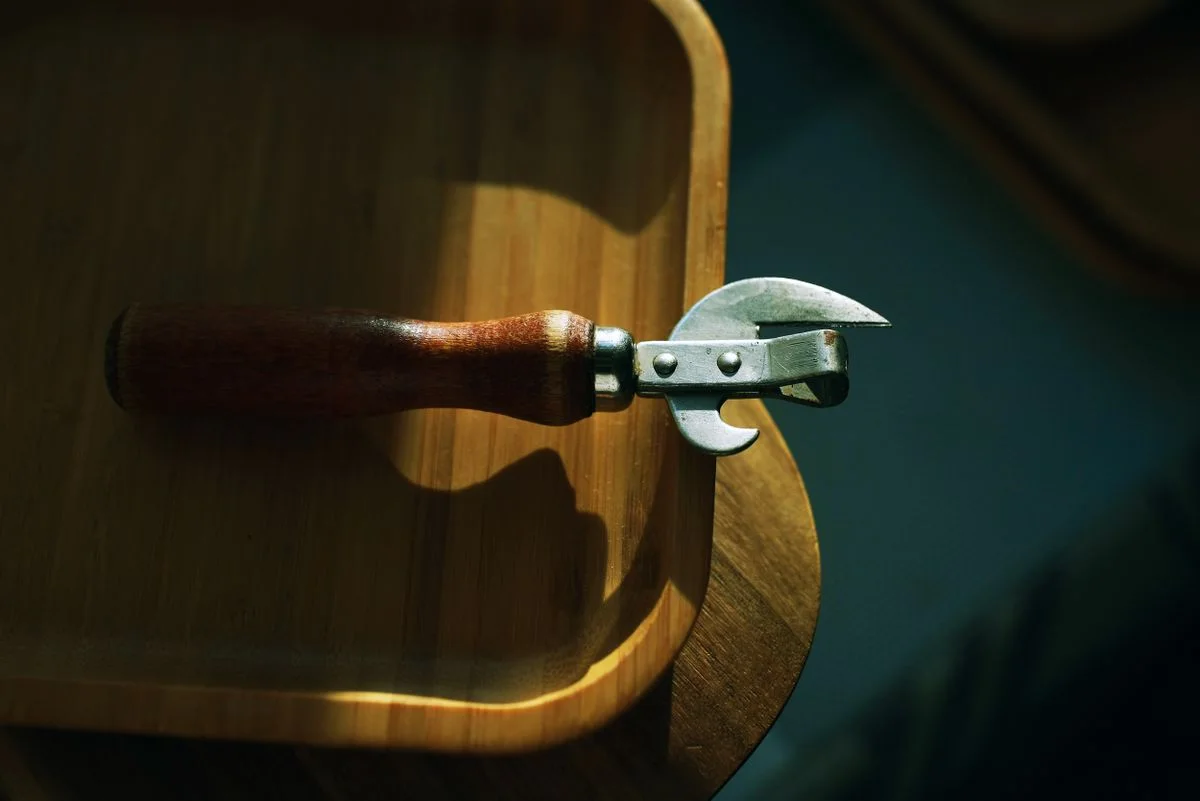
A manual can opener is usually purchased to solve a simple problem, but its wheel, handles, and lid-handling method can make cleanup surprisingly awkward. Before replacing one, identify what is inconvenient about the existing tool: slipping on the rim, a stiff turning knob, inaccessible residue, or difficult storage. Different opening mechanisms have different instructions, so compare the whole process from attaching the opener to putting it away. A low price is useful only when the tool works comfortably on the cans you buy.
Understand the opening method
Some manual openers cut through the lid, while others work around a different part of the rim. Read the maker's explanation and check how the tool is attached and removed. Do not assume familiar habits transfer between mechanisms. Compare compatibility with the can shapes and rim styles you use most often. A product's lid-handling feature should also be considered: understand how the lid is released and follow its instructions instead of treating a marketing term as a handling guarantee.
Assess turning effort and grip
The size and shape of the turning knob influence how you apply force. A large knob can be convenient, but it also increases the tool's footprint. Check whether the handles sit comfortably in your hand and whether closing them requires a difficult squeeze. Your dominant hand may affect the preferred arrangement. If you can handle a display model, assess the movement without attempting an improvised opening test. Product descriptions should make the intended operation clear enough to compare online.
Inspect the cutting area
Look for the spaces around the wheel, gears, and frame where residue can gather. Check whether any parts detach for cleaning and whether that disassembly is expressly intended. Follow the manufacturer's washing and drying directions; different mechanisms and finishes can have different restrictions. A tool that can be cleaned only by a method you dislike may receive less attention than it needs. Straightforward access is worth considering alongside grip comfort, especially if the opener will be used frequently.
Choose extras only if they help
An integrated bottle opener or other attachment can replace another tool, but it may also create an awkward edge or a wider shape. Count that feature only if you regularly use it. Compare storage length with the drawer divider and check whether the wheel is protected from loose utensils. If a worn component can be replaced, verify the exact part and instructions. Otherwise budget for the whole tool, with cleaning access and clear operation as the main reasons to choose it.
THE USEFUL TAKEAWAY
A manual can opener should be comfortable throughout opening and easy to clean afterward. Compare the mechanism, turning effort, and wheel access before paying for extra functions. A simple tool with clear instructions often makes a better everyday purchase than a crowded gadget that is awkward to wash.
Further information
Manufacturer and official references for the details discussed. Check instructions for the exact product you are considering.