Packing cubes can make a suitcase easier to use, but they are organizers rather than a reason to pack more. A coordinated set may include sizes that do not fit your case or your clothing routine. Begin with the luggage you already own and one ordinary trip. Decide whether separating outfits, clean clothes or small items would help. Then choose a few cubes with suitable dimensions and access. A small useful set can provide more value than a large bundle that forces the contents into a system you do not need.
Measure the suitcase interior
Check the usable width, length and depth around wheel housings and handle channels. Compare cube dimensions in the filled state where the maker provides them. A set that fits the case floor when empty can become awkward when full. Think about how the luggage opens and which compartments you reach first. Leave room for shoes, toiletries and irregular items. The cubes should improve access within the existing bag rather than dictate a layout that wastes its useful corners.
Choose a clear sorting method
Decide whether cubes group garments by type, day or person. Use one simple method that matches how you unpack. A short trip may need only a cube for smaller clothing and a separate suitable laundry bag. Multiple colors can help a family identify belongings, but labels or distinct sizes may be enough. Avoid adding compartments merely because the set includes them. A cube that stays mostly empty or duplicates another pocket is not improving the packing routine.
Read compression and material details
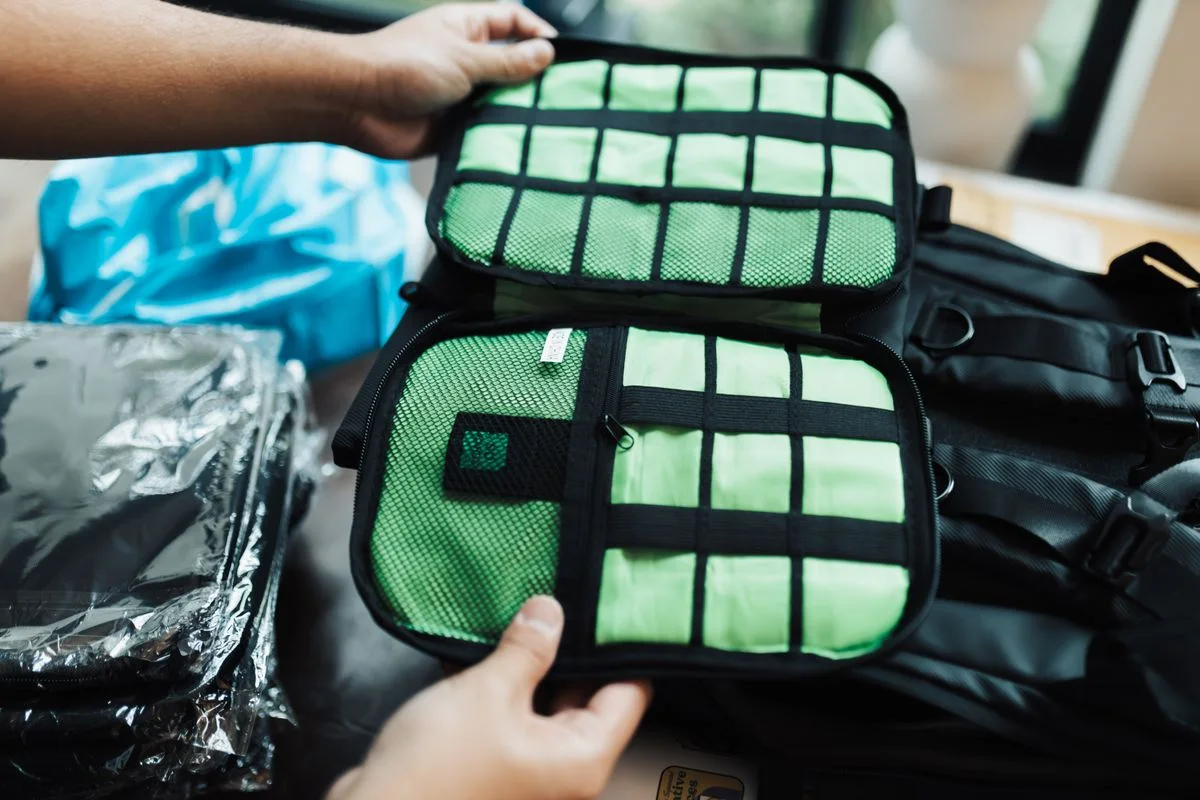
Compression zips can reduce the bulk of suitable contents, but they do not reduce weight or change baggage allowances. Check the intended packing method and avoid forcing closures beyond the product instructions. Mesh panels show contents, while solid panels offer a different balance of visibility and containment. Read cleaning and drying guidance, especially if cubes will carry used clothing. Do not assume a water-resistant fabric makes the cube a reliable waterproof barrier for toiletries or wet items.
Try one trip before expanding
Pack your normal list into a modest set and check whether it is easier to find and return items. Consider how the cubes fit in a hotel drawer or remain accessible in the suitcase. Keep a separate plan for bulky clothing that does not benefit from cubing. If a spare cube becomes useful for a defined task, add that size later. This approach avoids buying an extensive matching system before discovering that your ordinary trips need only a few containers.
THE USEFUL TAKEAWAY
Packing cubes offer value when they simplify access in the luggage you already use. Choose suitable sizes and a clear sorting method, then test a modest set on an ordinary trip. Compression and matching colors are optional features; the practical result is being able to find and repack belongings easily.
Further information
Manufacturer and official references for the details discussed. Check instructions for the exact product you are considering.