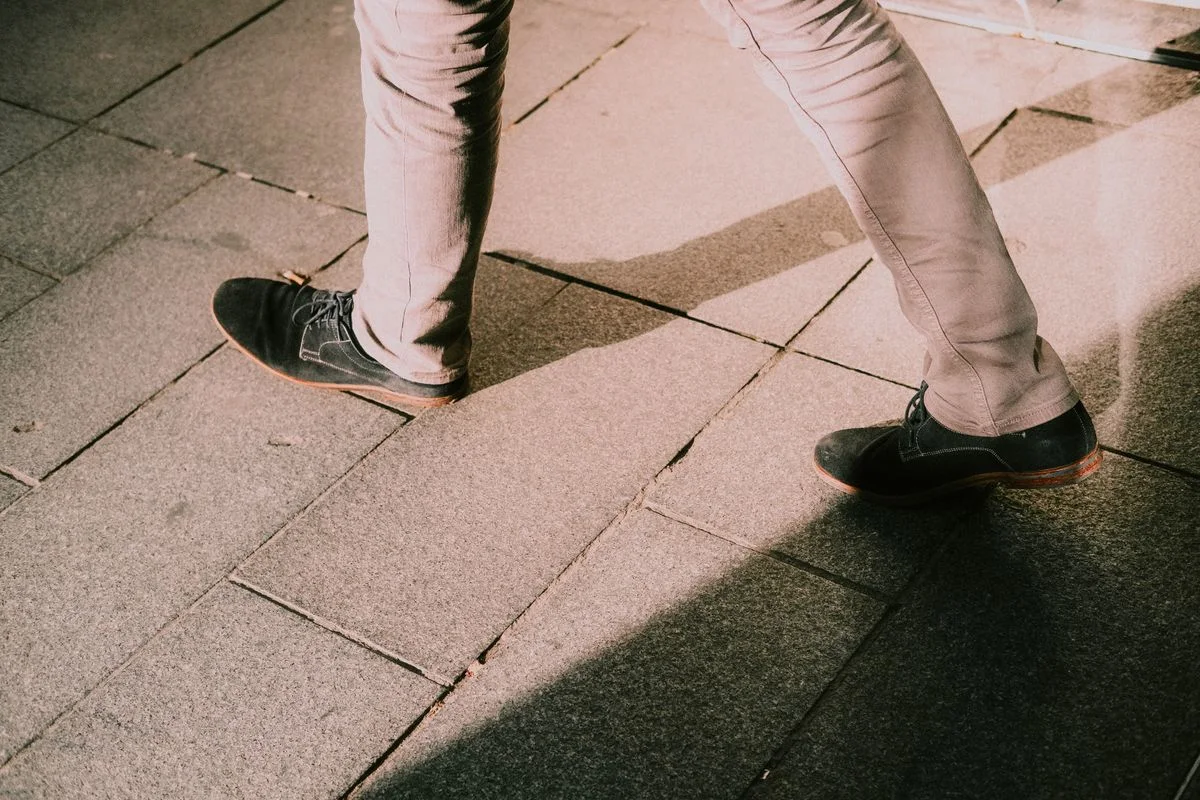
A city trip can involve pavement, museum queues, public transport, and a long walk back to accommodation. Shoes need to suit that mix rather than simply looking like travel footwear. Before shopping, examine the pair you already choose for a full day out. Its successful details and irritating ones provide a useful brief. The aim is a comfortable, practical fit for your itinerary, with enough time to assess the shoes before departure instead of discovering their limitations while away.
Use the itinerary to narrow the choice
Think about the longest walking day, the likely weather, and any places with a dress expectation. A pair that works for all three may save packing space, but forcing one shoe to handle incompatible activities can be inconvenient. If the trip includes a formal evening, a lightweight second pair may be preferable to walking all day in a compromise. Consider how much room wet or dirty shoes would occupy in the bag and whether another usable pair will be available.
Try the exact socks and size
Bring the socks you intend to wear and try both shoes. Walk, turn, and use any fitting steps provided by the retailer. Check the heel, toes, and sides separately; an overall impression of softness can conceal an awkward pressure point. Sizing labels vary between models, so an existing pair's number is only a starting point. If you use an insert, bring it to assess the complete combination rather than assuming it will fit after the purchase.
Consider weather without buying by one feature
A covered upper, a more open fabric, and a water-resistant design involve different tradeoffs in cleaning, drying, and everyday feel. Read the exact construction and care information instead of relying on the word travel. Look at how laces and tongues are arranged, because they affect putting the shoes on during a busy day. Sole photographs can show the pattern, but they cannot promise grip on every surface. Choose footwear intended for the use described by its manufacturer.
Leave time for ordinary use before departure
Check the seller's fitting and return conditions before wearing the shoes outdoors. Once you decide to keep them, use them on progressively longer ordinary outings to assess how the arrangement works for you. Persistent discomfort is a reason to reconsider the choice, rather than assuming every shoe must become suitable with enough wear. Pack the cleaning method the manufacturer recommends only if you will actually need it; a small cloth or brush you already own may cover routine maintenance without a dedicated travel kit.
THE USEFUL TAKEAWAY
Start with the shoes that already work for your ordinary long days, then use the itinerary to identify any missing requirement. A familiar comfortable pair may be the best purchase you do not make. If buying new, fit and time to assess them matter more than a travel label.