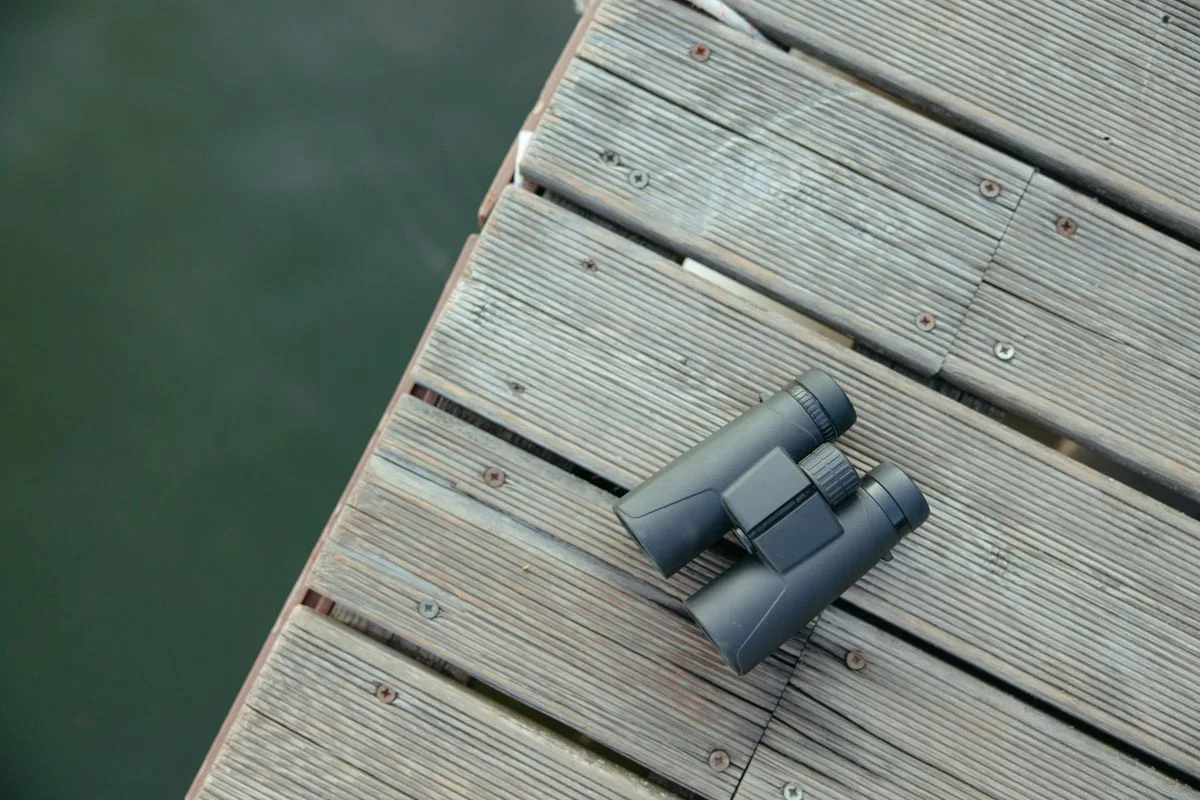
A first pair of binoculars should make it easier to find and observe the subjects that interest you. Buying the highest magnification can work against that aim when the image becomes harder to hold or the view is too narrow. Think about whether you will watch birds, attend events, or carry the binoculars on ordinary walks. Then compare a few suitable designs in use if possible. Comfort, focus control, and carrying size matter alongside the numbers printed on the body.
Understand the two headline numbers
The first number describes magnification and the second the objective-lens diameter in millimeters. These describe different parts of the choice, not one overall quality score. Nikon's specifications guide explains that higher magnification can make movement more noticeable and narrow the field of view. Larger objective lenses also affect size and weight. Use the numbers to narrow the field around your intended activity rather than selecting the largest pair of figures. A comfortable instrument you carry is more useful than one left at home.
Try finding a subject, not just viewing one
During a permitted demonstration, choose an ordinary distant object and bring the binoculars into position repeatedly. Notice how easily you find it and adjust focus. Compare field-of-view specifications on the same basis, such as width at a stated distance. For nearby plants or insects, check close-focus distance as well. If you wear glasses, try the binoculars with them and assess the eyecup adjustment and visible field. The specifications can identify possibilities, but the fit should be checked with your actual viewing arrangement.
Check hand and face fit
The barrels need to adjust to your eye spacing, and the focus wheel should be reachable without an awkward grip. Compare how the weight sits in your hands rather than relying only on a scale figure. A compact folding design may be convenient to carry but require a different grip from a larger body. Check how the strap attaches and whether the included case fits your bag. Avoid buying extra harnesses or cases before discovering whether the supplied arrangement suits your intended outings.
Read care and weather-use information
Look for the actual model's stated resistance and operating limits rather than interpreting a rugged finish as evidence. Check the cleaning instructions for optical surfaces and whether lens caps are included and easy to manage. A manufacturer-supported service route may matter more than a large collection of bundled accessories. If buying used, inspect the offered unit and seek a proper demonstration where possible. For a first purchase, a clear specification and manageable everyday handling provide a stronger basis than unfamiliar optical terminology used without explanation.
THE USEFUL TAKEAWAY
Choose first binoculars for easy finding, comfortable viewing, and practical carrying. Understand the headline numbers, then test focus and fit where possible. A suitable modest specification can be more rewarding than high magnification that complicates ordinary use, especially when the instrument is meant to accompany everyday walks.
Further information
Manufacturer and official references for the details discussed. Check instructions for the exact product you are considering.