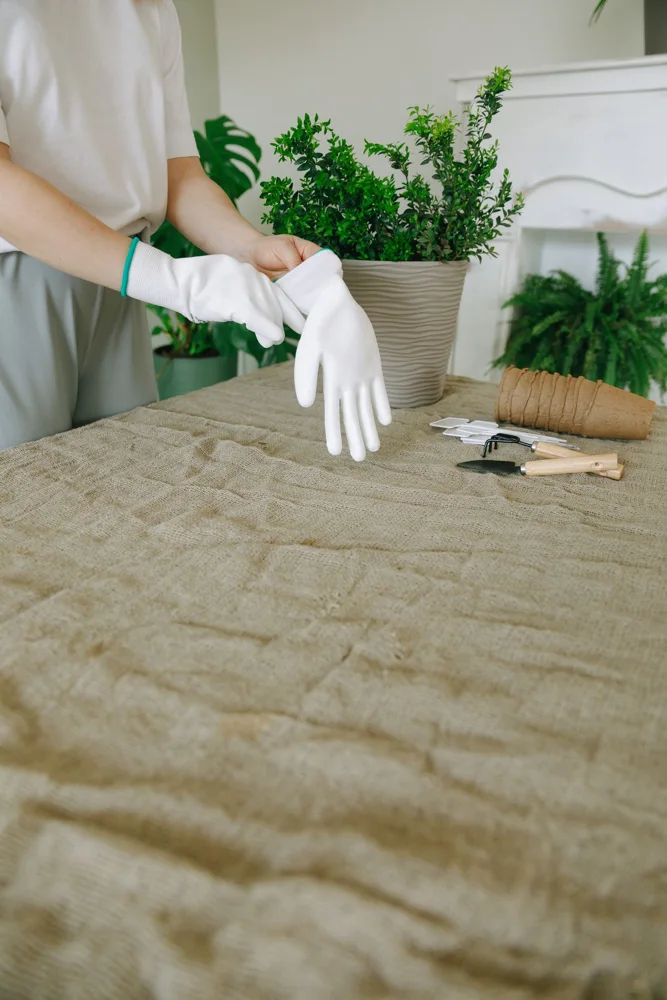
Garden gloves are easier to choose when the task is clear. Handling potting mix, carrying rough containers, and pruning established plants place different demands on fit, grip, and coverage. A thick pair may be cumbersome for small labels or seedlings, while a light pair may be unsuitable for rougher work. Start with the ordinary jobs you do most often. The aim is appropriate equipment that you will comfortably use, without treating one pair as a universal solution for every outdoor task.
Name the job before choosing the material
Look at the manufacturer's intended uses and limitations for the exact glove. A coated palm, flexible fabric back, and leather construction offer different handling and care arrangements. Do not infer a protection rating from thickness, color, or a rugged product name. If a job involves a particular hazard or product, use the equipment specified by the relevant instructions rather than ordinary gardening gloves by default. For everyday buying, separate fine handling from rough carrying so the pair fits the task rather than a broad gardening label.
Assess the fingers as well as the palm
Try opening and closing your hand and gripping a familiar tool handle if the shop allows it. Excess fabric at the fingertips can make small tasks awkward; a tight palm can restrict movement. Check the cuff opening and whether the gloves are easy to remove. Size labels vary, so use the maker's measurements instead of assuming the same size across every brand. If gloves are sold as one size, consider whether a properly measured alternative would be more usable for your hands.
Consider how the gloves meet the tool
A comfortable glove can change the feel of a handle, latch, or small adjustment knob. Try the combination you expect to use, keeping demonstrations within the retailer's rules and the tool's instructions. Check whether seams lie under the points where you grip. A long cuff may be useful for a particular task but take more effort to dry and store. Avoid choosing a glove for a single extra feature, such as a touchscreen fingertip, when ordinary handling is the main purpose of the purchase.
Choose a care routine you can follow
Read the washing and drying instructions for the actual material and coating. Some pairs need a different routine from clothing laundry. Consider how much time they will have to dry between uses and where they will be stored. Keep different pairs identifiable if each is intended for a different task. Buying several identical inexpensive pairs is not automatically good value if their fit discourages use. A suitable everyday pair, with another specifically chosen only when needed, may be a more practical starting point.
THE USEFUL TAKEAWAY
Choose garden gloves by task and fit, then check the handling and care routine. Appropriate coverage and usable fingers matter more than a rugged appearance or a large multipack. Treat specialist requirements according to the relevant instructions, and buy an ordinary pair for the ordinary jobs you actually perform.
Further information
Manufacturer and official references for the details discussed. Check instructions for the exact product you are considering.