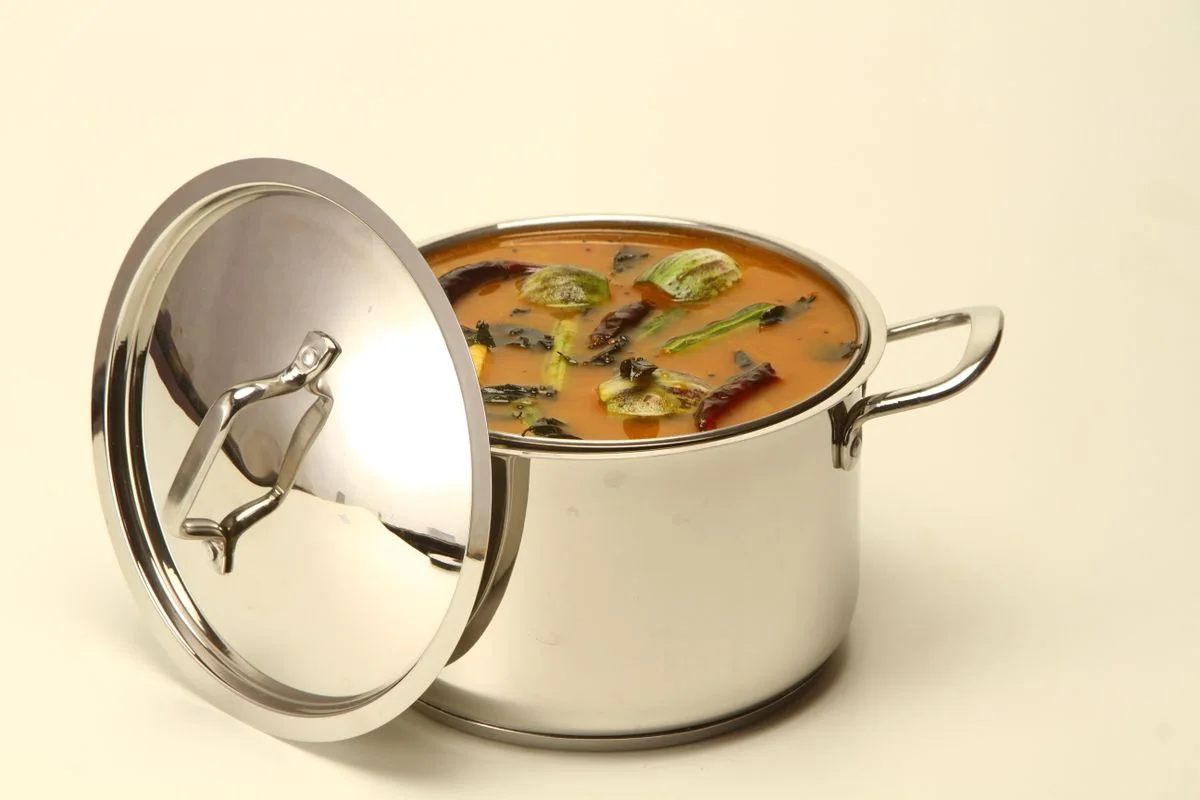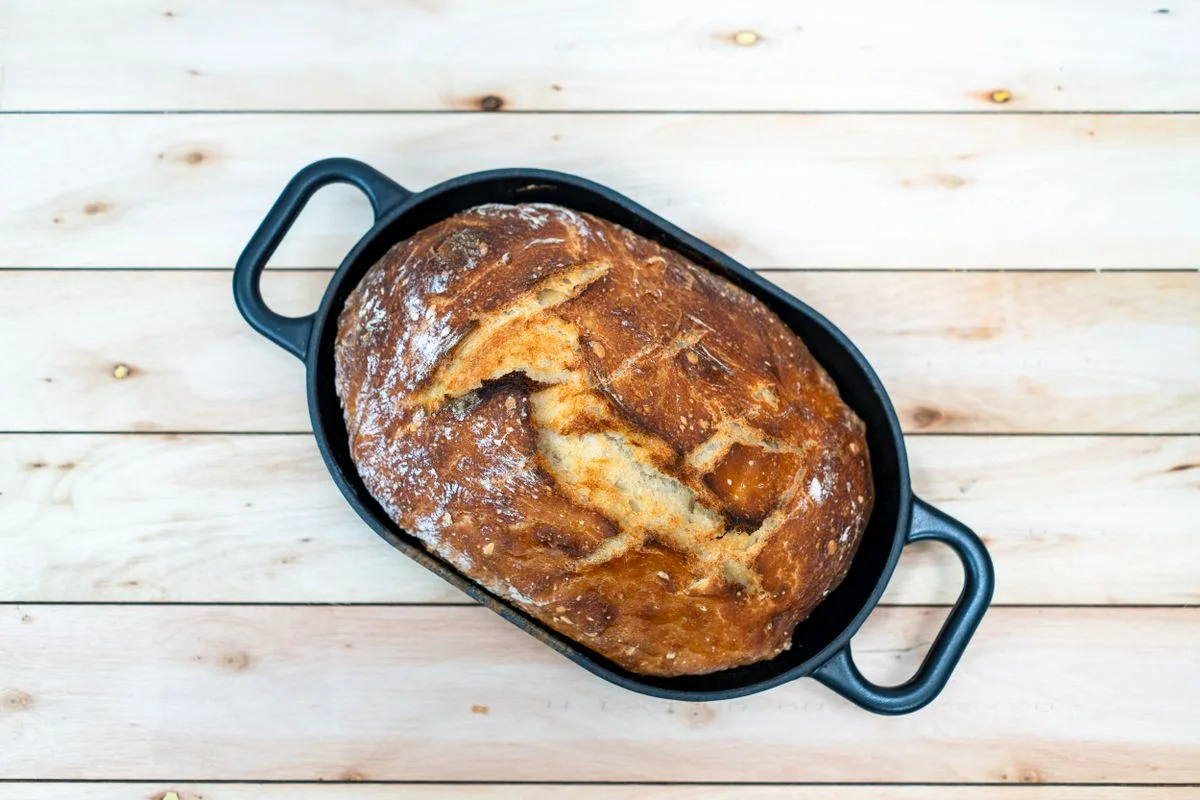
A Dutch oven occupies a substantial part of a small cupboard, so it should justify that space with meals you make regularly. Capacity alone does not tell you how useful it will be. A tall narrow pot and a broad shallow one can hold similar volumes while behaving very differently when browning ingredients or fitting into an oven. Consider its loaded weight, lid storage, and everyday alternatives before treating the largest discounted pot as the best value.
Match the shape to your recipes
For stews and soups, compare the amount you normally cook with the maker's capacity description. For recipes that start by browning, inspect the flat base area as well. An oval pot may accommodate a long ingredient but could sit awkwardly over a round burner. Use the actual dimensions rather than the product photograph to judge that relationship. A versatile shape is one that works with your regular meals, not simply the one with the most impressive volume.
Measure the whole pot
Record width across both handles, height with the lid, and the clearance needed to lift it. Check the oven opening as well as the shelf space inside. A pot can fit on a rack but remain awkward to maneuver through the door with gloves. In the cupboard, decide whether the lid will rest on the pot or stand elsewhere. Storing them separately may reduce the height needed, but it creates a second object that must be easy to retrieve.
Assess the weight when full
The listed empty weight is only a starting point. Picture carrying the pot with its usual contents and lid, and consider whether you can place it on a stable surface close to the stove. Wide handles are useful only if your gloved fingers can fit them comfortably. If a smaller household rarely fills a large vessel, a more manageable size may be the better purchase. Guests are an occasional scenario; weekday use should influence the decision too.
Keep the enamel routine realistic
Consult the exact care instructions for heating, utensils, cleaning, and the lid knob's limits. Lodge's enamel guidance differs from its seasoned iron routine, so do not transfer seasoning advice between them. Check whether stubborn food can be soaked or cleaned using products you are willing to keep. Storage should also avoid knocking the finish against other heavy cookware. A pot that serves at the table may replace a separate dish, but that benefit should be weighed against handling and washing.
THE USEFUL TAKEAWAY
Choose a Dutch oven around the meals, burner, and cupboard you have. A moderate size that you can lift and clean easily can provide more practical value than a larger bargain. Count any serving-dish savings only if carrying the full pot to the table is comfortable.
Further information
Manufacturer and official references for the details discussed. Check instructions for the exact product you are considering.