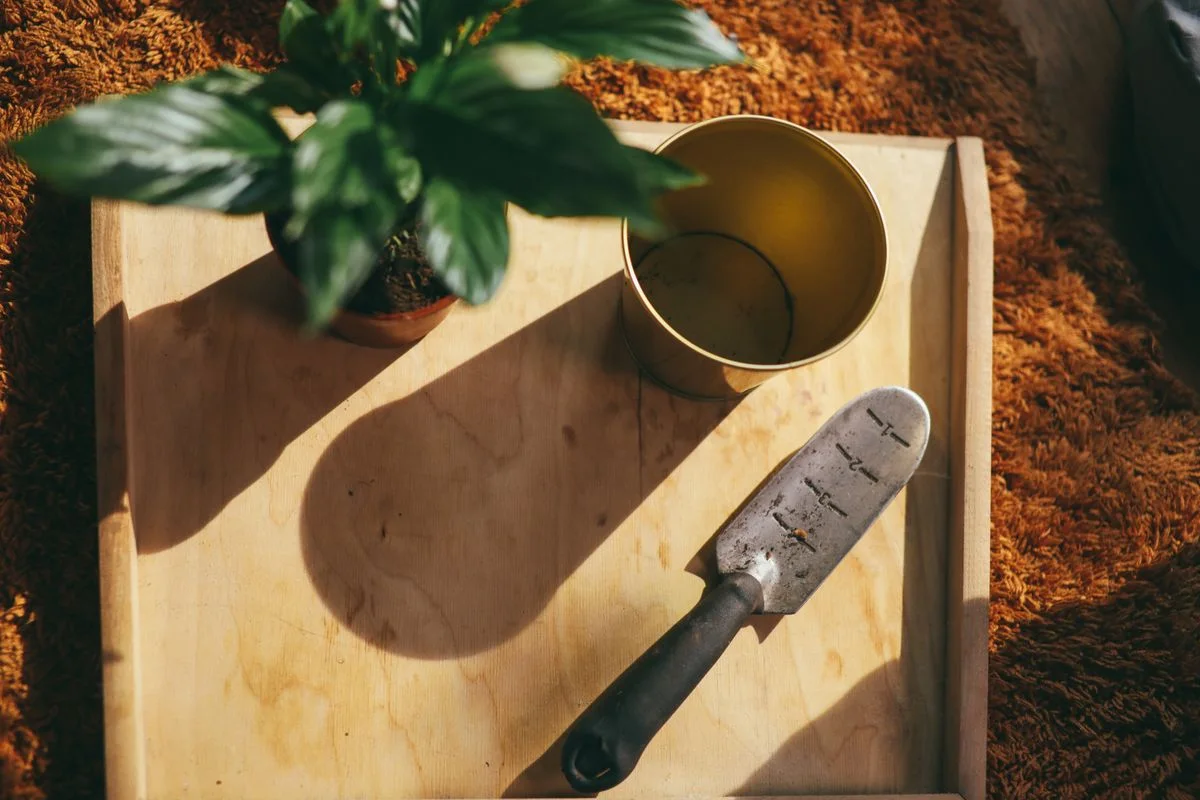
A hand trowel is a simple tool, but small differences in handle shape and blade dimensions affect ordinary planting work. A wide scoop can move potting mix conveniently while being awkward inside a narrow container. A thick cushioned handle can feel comfortable in one hand and cumbersome in another. Choose around the pots and beds where the tool will be used. Inspect the complete construction and grip rather than assuming a bright handle or a heavy blade automatically means better value.
Match the blade to the container
Measure the openings of the pots you use most often and compare the trowel's widest point. A broad blade suits moving loose material, while a narrower shape can reach around an existing root ball more easily. Check blade depth and overall length as well as width. A very large trowel may duplicate a scoop you already own without helping with planting. If most work happens in a few small indoor pots, a compact tool can be more useful than a full-sized garden model.
Hold it as you would during work
With the retailer's permission, grip the handle in the positions you normally use. Notice the end cap, any ridge near the blade, and the space available while wearing your ordinary gloves. A shaped handle may guide the hand comfortably or force it into a position you dislike. Compare balance rather than total weight alone. The tool should be easy to guide without an exaggerated grip. Do not judge comfort only by squeezing the softest part of the handle while the tool remains in its packaging.
Inspect the join and stated purpose
Look at where the blade meets the handle and read the manufacturer's intended uses. A planting trowel should not be assumed to serve as a pry bar or a substitute for equipment intended for compacted ground. Check for accessible information about construction and any replacement-handle arrangement. A one-piece appearance may reduce visible joints but does not, by itself, establish long-term durability. Give more weight to a clear description and suitable use than to unsupported claims such as unbreakable or professional quality.
Keep cleaning and storage straightforward
Inspect recesses where soil can collect and check the recommended cleaning method for the finish. A hanging hole can be useful when it fits the hook or loop you already use. Printed depth markings may help some planting tasks, but they should remain readable and should not justify buying a second tool if you already have a suitable measure. Store the tool according to its instructions and keep it accessible near the work area. A tool that is easy to find and clean is more likely to remain in use.
THE USEFUL TAKEAWAY
Buy a trowel that fits the planting space and your grip. Blade dimensions and handle comfort are more informative than weight or decorative features alone. A modest tool with appropriate construction and a simple cleaning routine can serve ordinary planting well without adding a set of near-duplicate hand tools.