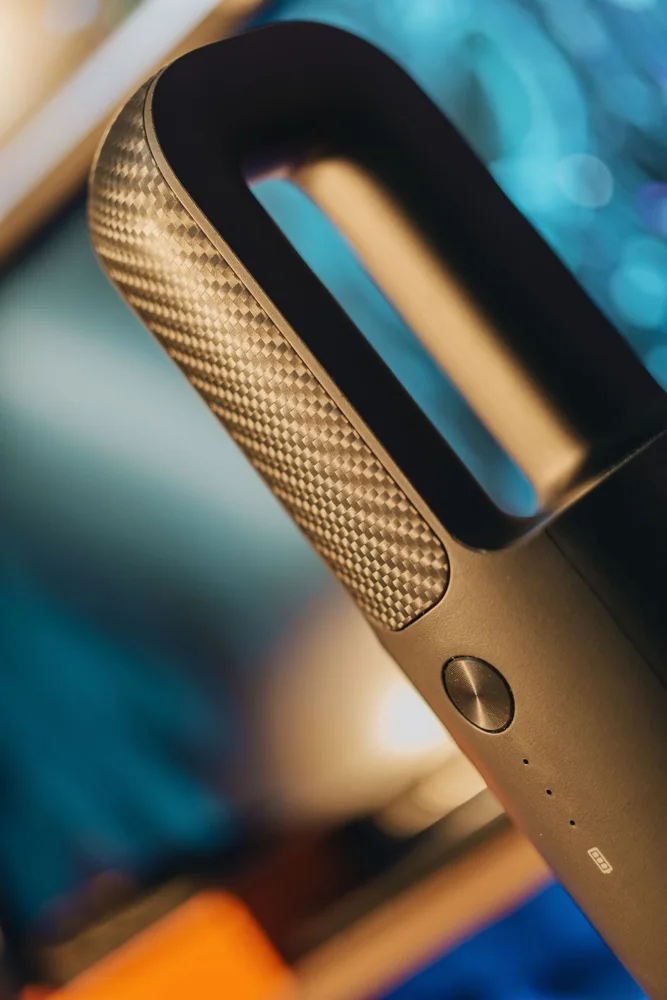
A handheld vacuum earns its space when it is faster to reach than a broom or full-size cleaner. That usually means a short job: crumbs in a drawer, grit by the door or debris on a car seat. The largest dust container is not automatically the most useful choice. Think about where the cleaner will live, what you will pick up and how often you are willing to empty it. A compact unit with a practical nozzle can suit small messes better than a bulky accessory kit.
Define the mess and surface
List the two or three jobs that prompted the purchase. Crumbs on a hard worktop need a different approach from hair embedded in upholstery. Check that the machine and supplied attachment suit those surfaces. Ordinary dry handheld vacuums should not be assumed to collect liquids; choose that function only when the maker explicitly supports it. For fine powders or unusual debris, consult the manual rather than treating the container as a universal collection bin.
Check nozzle access and grip
A long crevice tool can reach beside a seat, but the tool adds length and changes the balance in your hand. Compare the complete configuration you will hold. Look at where the power switch sits and whether operation requires a continuous squeeze. A comfortable grip is valuable when cleaning several small areas in succession. Check that the nozzle can reach the tightest intended space without scratching surrounding surfaces or blocking your view of the debris.
Place charging where the job happens
A cleaner left flat at the back of a cupboard may be forgotten between charges. Measure a shelf or wall location near the place it will be used most. Review mounting instructions before drilling and allow room to lift the unit off its holder. If the charging cable plugs directly into the cleaner, check how easily you can connect it. Storage that keeps the right nozzle with the machine saves more time than attachments scattered elsewhere.
Try the emptying sequence
Look for a container that opens above your bin without forcing you to hold the whole machine at an awkward angle. Review filter care and replacement availability, since the filter can be a recurring task even in a small cleaner. Avoid judging capacity only by a photograph: a wide body can still have a small usable chamber. Check whether dismantled parts can dry and be reassembled easily before committing to a model with washable components.
THE USEFUL TAKEAWAY
For quick crumbs, easy access matters as much as suction claims. Choose a handheld vacuum comfortable in its working configuration, charged where you need it and easy to empty into your existing bin. Keep the intended jobs narrow enough that the small machine remains convenient to use throughout the week.
Further information
Manufacturer and official references for the details discussed. Check instructions for the exact product you are considering.